
PIAP Tarantula: the procurement predates the MSPO premiere
The manufacturer lists a 17 kg reconnaissance robot. We connect September’s public presentation with the earlier contract and planned first deliveries.
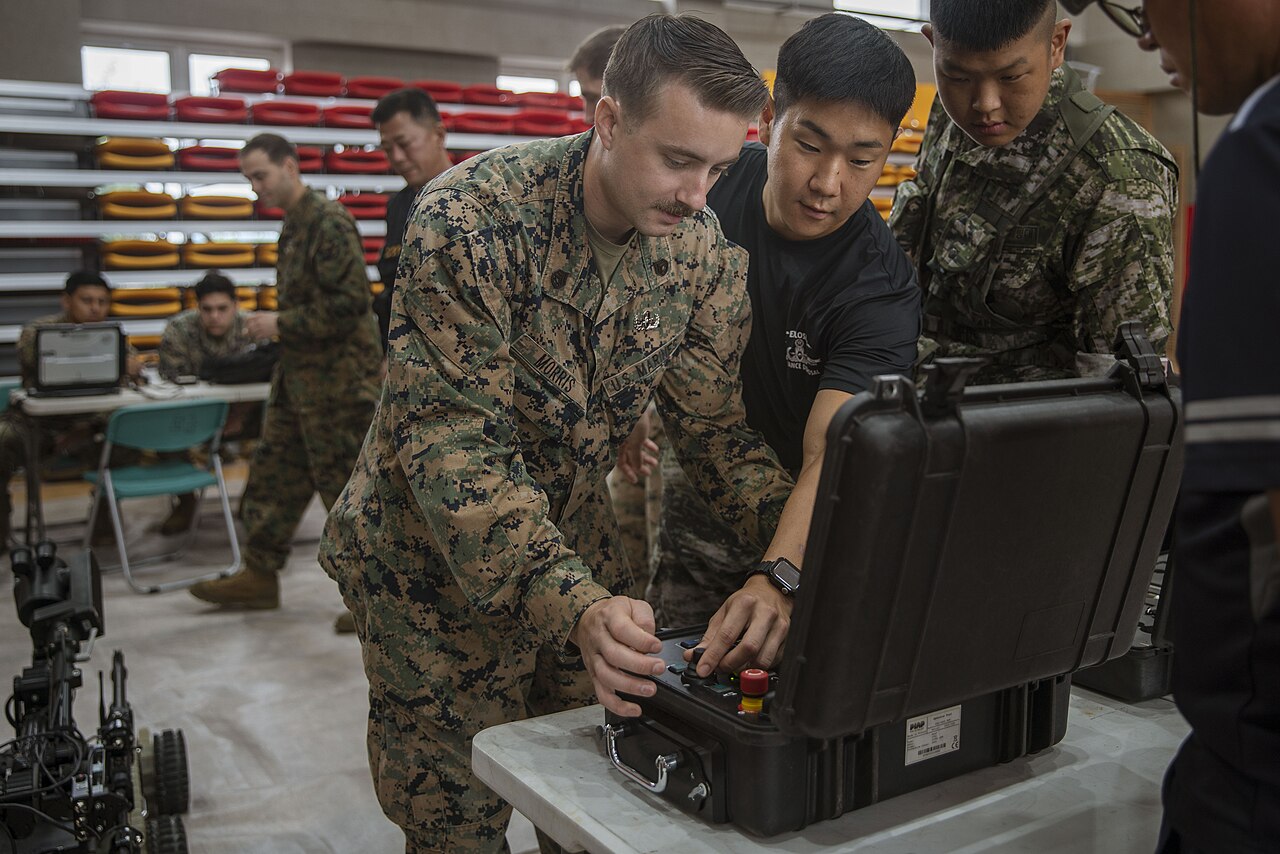
- 17 kg · reconnaissance robot
- Photo: PIAP training, 2024
PIAP Tarantula was among the announced MSPO premieres. In its 1 September release, Łukasiewicz-PIAP described a backpack-class reconnaissance platform developed under Poland’s Mobile Unmanned Reconnaissance Vehicle programme.
A first public display does not mark the project’s beginning. The Łukasiewicz Research Network announced selection of its offer for at least 96 sets in March 2025. That earlier decision matters to the product’s commercial status.
Before MSPO, the network said first deliveries were expected in autumn 2026. We retain that as a plan: an exhibition appearance does not establish military acceptance of delivered equipment.
The platform class
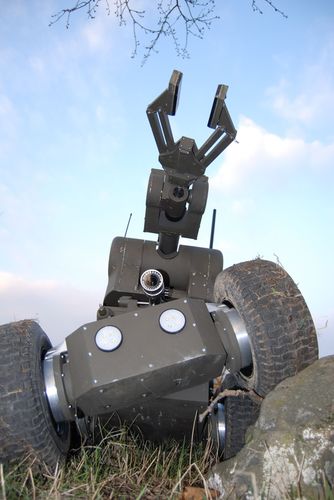
PIAP gives a 17 kg mass, tracked mobility and day and thermal cameras. This is a light observation platform intended for people to carry, rather than the equivalent of a multi-tonne logistics vehicle. The specifications come from PIAP, without independent MSSG measurement.
Product assessment should separate platform mass from everything the user needs to transport. Additional power, a controller and support equipment may change that figure. We do not give a complete-kit mass, which the cited release does not establish. A purchasing comparison needs the same delivery boundary on both sides.
Daylight and thermal imagery are different information
A day camera and a thermal camera provide different views of the surroundings. Listing both does not specify image quality, transmission delay or operating conditions. Thermal imaging should not be equated with automatic recognition of every object.
An industry reader needs the documented function set and how information is displayed and recorded. These are system-assessment questions that can be addressed without detailed operating procedures. An equipment list and a trial report answer different questions, and neither should be silently substituted for the other.
The contract changes the starting point
Earlier selection distinguishes this case from a demonstrator still looking for its first customer. An order, manufacturing completion, delivery and acceptance nevertheless remain separate stages. They can have different dates and different supporting records.
The March announcement referred to at least 96 sets. That unit should be preserved: it should not be freely rewritten as individual devices or extended to unannounced variants. The quantity must also remain attached to the appropriate contract, rather than being described as a new MSPO order. Otherwise, combining older and newer reports can create a false impression of additional demand.
Part of a wider robotics portfolio
PIAP also displayed other platform classes at MSPO. A shared institutional name does not give every robot the same purpose. We assess Tarantula as a reconnaissance product, without assigning it functions shown on heavier systems.
The next important evidence will be delivery confirmation and the scope of equipment transferred. Moving from contract to repeatable production also involves servicing, documentation and training. These will help establish how a public premiere translates into a durable supplier capability. The September announcements provide a useful update, but do not themselves complete that chronology.
Sources & context
- PIAP: MSPO platform details, 1 September 2026 ↗
- Łukasiewicz: MSPO 2026 and autumn delivery plans ↗
- Łukasiewicz: Tarantula procurement, March 2025 ↗
Published by Mitchell Strategic Solutions Group. See our editorial standards and corrections policy. Read more →